
The first time I did a live video viewing for a client abroad, it was a disaster.
The buyers were in the Netherlands, excited, slightly nervous, waiting on the other end of the line. I was standing inside a Spanish apartment — one of those older buildings with walls half a metre thick. The moment I started the call, the signal died. I moved rooms. It got worse. The image broke up, froze, broke up again. I could hear the tension in their voices every time the screen went blank. Twenty minutes of that, and we had seen nothing. I hung up feeling like I had wasted their time and my own.
I never let that happen again. The rule now is simple: if a live connection cannot be guaranteed — thick walls, a basement, a rural property far from a cell tower — I don’t attempt a live call. I film the property properly, walk every room at the right pace, talk through everything I see, and send the video. A good recorded walkthrough beats a bad live stream every time.
That experience also taught me what a remote viewing is actually for — and what it isn’t.
The Problem with Property Photos
Every listing has photos. Most of those photos were taken by a photographer whose job was to make the apartment look as large, bright, and appealing as possible. Wide-angle lenses. Chosen angles. Chosen time of day. Chosen staging.
What those photos don’t show: the noise from the street below. Whether the light actually reaches the living room in winter, or only in the two summer months when the sun is high enough. What the stairwell looks like — because in Spain, the stairwell tells you a great deal about how a building is managed and who lives in it. Whether there is parking anywhere near the front door. What the view from the bedroom window actually is, as opposed to the artfully cropped shot that avoids the building being constructed next door.
A remote viewing with someone on the ground is not a substitute for a visit. It is something different: it is a filter. It tells you, before you book a flight, whether a property is worth the trip.
What I Actually Do During a Remote Viewing
The process is simpler than most buyers expect. We connect on WhatsApp video, and I walk through the property exactly as if you were there with me — every room, at a normal pace, talking through what I see. After the call, I film a walkthrough video and send it so you have something to review at your own pace. The video is always part of the process. If the signal is poor — and in older Spanish buildings with thick stone walls, it often is — I skip the live call and go straight to filming. A good video tells you more than a fragmented live stream.
I walk the street before I go inside. What does the block feel like? Is there a bar directly below that will still be open at midnight? Is the access to the building clean and well-maintained, or does it suggest a community that has stopped caring? These are things that matter for daily life and for resale value, and they never appear in a listing.
One thing I pay particular attention to is the feeling of safety — not just at the time of the viewing, but at different times of day. A street that feels fine at eleven in the morning can feel different at nine in the evening, and I try to get a sense of both when a property is a serious candidate. That said, I want to be clear about something: the Comunitat Valenciana is, in my experience, genuinely one of the safer places to live in Europe. Compared to most major European cities, the street-level safety in Valencia and the surrounding region is significantly better than many buyers expect from a city of this size.
What can create a misleading impression is graffiti. Some areas in the region have a lot of it — on walls, shutters, building facades — and to a buyer scrolling listings from abroad, it can make a neighbourhood read as rougher than it actually is. I have been in streets that looked, on photos, like somewhere you might not want to live, and that in practice were perfectly calm, well-maintained communities where families had lived for decades. The graffiti is a surface condition, not always a signal about the neighbourhood underneath it. Part of what I do during a street-level walk is read the difference.
Inside, I walk at a pace that lets you actually see the space — not the promotional pace of a real estate video designed to keep you watching. I open windows and show what’s outside. I check the condition of the floors, the walls, the ceilings. I run the taps. I look at the electrical panel. I open every door and show what’s behind it.
I talk throughout. Not a script — a conversation. If something is not right, I say so. If a room is smaller than the plan suggests, I say that too. If the light is better than I expected, I say that.
After every viewing, we write our own description of the property and the neighbourhood — independent of whatever the selling agent has written. That distinction matters more than it might seem. A listing description is written to sell. Ours is written to inform. It covers what the property actually looks like, how the street feels, what is nearby, and anything that gave us pause. You end up with two versions of the same property: the one the seller wants you to see, and the one we actually saw.
Why the Valencia Market Makes This Necessary
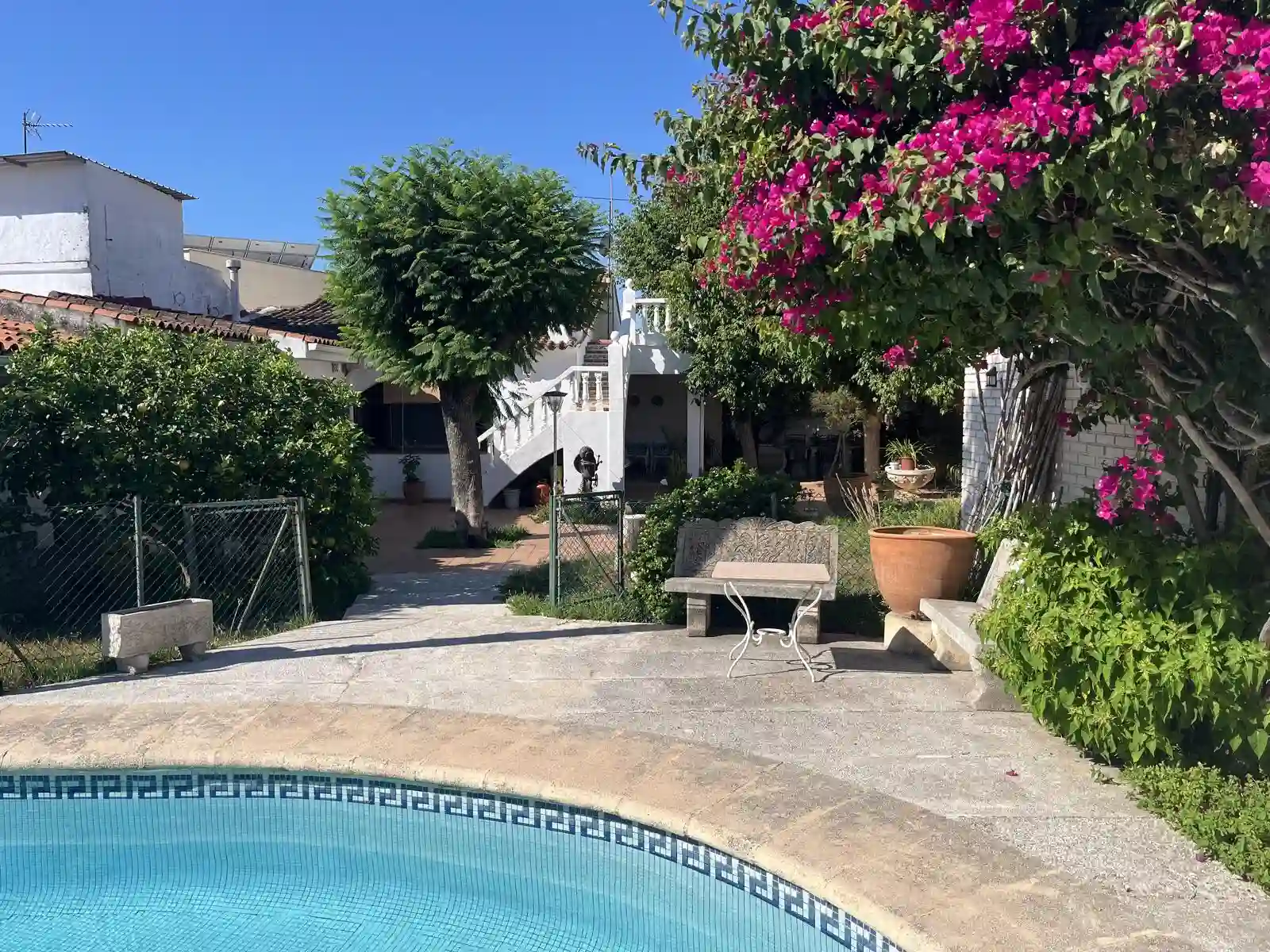
Valencia’s property market in 2026 is not a patient market. Well-priced properties in the right areas — Eixample, Ruzafa, El Carmen, Benimaclet, and the better coastal towns — routinely receive multiple enquiries within the first days of listing. The gap between a property appearing online and a seller accepting an offer can be a matter of weeks, sometimes less.
For a buyer based in Amsterdam, London, or Düsseldorf, that timeline is a problem. You see something on Thursday. You could fly down next weekend, but that’s nine days away. By then, it may be gone.
The buyers who move fastest in this market are not the ones who are physically closest. They are the ones who have done the groundwork — the NIE in progress, the bank account open, a clear sense of what they want — and who trust someone on the ground to filter for them. When the right property appears, they can give a go-ahead based on a viewing I have already done, move to an offer, and protect themselves with a signed contrato de arras before a buyer who is still booking flights has even landed.
Remote viewing is not a compromise for buyers who cannot travel. It is a competitive advantage for buyers who are prepared.
What a Remote Viewing Cannot Do
I am not going to tell you that remote viewings replace being there. They don’t, and I wouldn’t want them to.
There are things that require physical presence. The way a space feels when you walk into it — whether it is the right size for your life, whether the light makes you want to stay — that is hard to transmit through a screen. Some buyers know immediately on a video call that a property is not for them, in the same way they know immediately in person. Others need to stand in the room.
My recommendation for most buyers: use remote viewings to eliminate properties and identify serious candidates, then visit the two or three that have genuinely passed the filter. That combination is significantly more efficient than flying down to view eight properties in two days and returning home exhausted and uncertain.
There is also a practical consideration. I show you what I see. I cannot show you how it feels on a Tuesday morning in November when the tourists have gone and the neighbourhood settles into its normal rhythm. For buyers who are not yet familiar with Valencia, a visit — even a short one — is worth doing before you commit. The city tends to confirm what the videos suggest. Occasionally it surprises you.
The Question of Trust
The most honest version of this conversation is about trust. Buying a property you have seen only on a screen, in a country that is not your own, requires that you trust someone on the ground to tell you the truth — including the things you might not want to hear.
I have pulled buyers back from properties that looked good on video but had things I did not like when I was standing in the building. I have told clients that a property was not what the photos suggested. I have also told clients that a property was better than they expected — quieter, larger-feeling, better located — and watched them make an offer with confidence because they had a clear picture of what they were buying.
The value of remote viewing is not the technology. It is the judgement of the person holding the camera. If that person’s interests are aligned with yours — not with the seller, not with the commission on the fastest possible transaction — the remote viewing is a tool that works. If they are not, no amount of HD video will protect you.
We work exclusively as buyer’s agents. We do not represent sellers. We have no interest in moving you quickly toward a property that is not right. What we have an interest in is finding you the right property, at the right price, in the right condition — and the remote viewing is one of the tools we use to do that.
The Bottom Line
Remote property viewings work — when they are done properly, by someone who is on your side, and when the technology cooperates. When the signal drops and the image breaks up, you film the property and send it properly. The viewing is only as good as the honesty and judgement behind it.
The buyers who get the most from remote viewings are the ones who come to them prepared. They know what they want. They have done the administrative groundwork. And they have someone on the ground who will tell them what a property is actually like, not what the listing suggests.